

When it comes to lifting heavy, most lifters focus on form, technique, and raw power. But there’s one fundamental aspect that often gets overlooked: bracing and breathing. Proper bracing isn’t just about protecting your spine—it’s about creating a rock-solid foundation that transfers power efficiently from head to toe. Whether you’re squatting, deadlifting, or pressing overhead, learning how to brace and breathe effectively can be a game changer. Let’s dive into the mechanics and application of these essential techniques.
The Anatomy of Bracing: Engage the Core, Protect the Spine
Bracing is more than just tensing your abs. It’s about engaging the diaphragm, obliques, and deep core muscles to create intra-abdominal pressure that stabilizes your entire body. Here’s how to set it up:
- Diaphragm Engagement: The diaphragm is a dome-shaped muscle that plays a crucial role in both breathing and bracing. Take a deep breath through your nose, filling your belly with air (not your chest). Think of expanding your midsection in all directions—front, sides, and back. This increases intra-abdominal pressure and prepares your core to handle heavy loads.
- Locking It In: Once your diaphragm is engaged, it’s time to lock in the brace. Imagine you’re about to get punched in the gut. Tighten your core as if you’re bracing for impact. This activates the transverse abdominis and other stabilizing muscles, creating a firm, protective belt around your spine.
- Spinal Alignment: Maintaining spinal alignment is crucial to prevent injury. Keep your spine neutral—no excessive arching or rounding. Your head should stay in line with your spine, eyes focused slightly ahead. Maintain this position throughout the lift to avoid energy leaks and maintain stability.
Breathing Techniques: Master the Basics
Breathing isn’t just about oxygen—it’s about controlling pressure and power output. Learning how to breathe correctly during heavy lifts can significantly impact your strength and prevent injury. Let’s look at two main techniques:
- Valsalva Maneuver:
- The Valsalva maneuver is a technique where you take a deep breath and hold it while performing the lift. This creates a rigid core, stabilizing the spine under heavy loads.
- To perform it, take a deep breath into your belly, brace your core, and hold your breath as you initiate the lift. Exhale forcefully at the top or once you pass the sticking point
- The Valsalva maneuver is ideal for maximal effort lifts, like 1RMs or heavy triples, but it should be used cautiously by those with blood pressure concerns.
- Controlled Breathing:
- Controlled breathing is less intense than the Valsalva but still effective for maintaining core stability during moderate-weight lifts.
- Inhale deeply before initiating the lift, brace the core, and exhale steadily through the sticking point. This method is safer for higher rep sets or endurance training, preventing lightheadedness or dizziness.
Application: Bracing & Breathing in Squats, Deadlifts, and Presses
Now that you know the mechanics, let’s apply them to three key lifts:
- Squats:
- Before unracking the bar, take a deep breath and engage your diaphragm. Brace your core as if preparing for impact.
- Maintain the brace as you descend, keeping the chest up and spine neutral.
- Exhale forcefully as you drive through the heels and stand up, maintaining control throughout the movement.
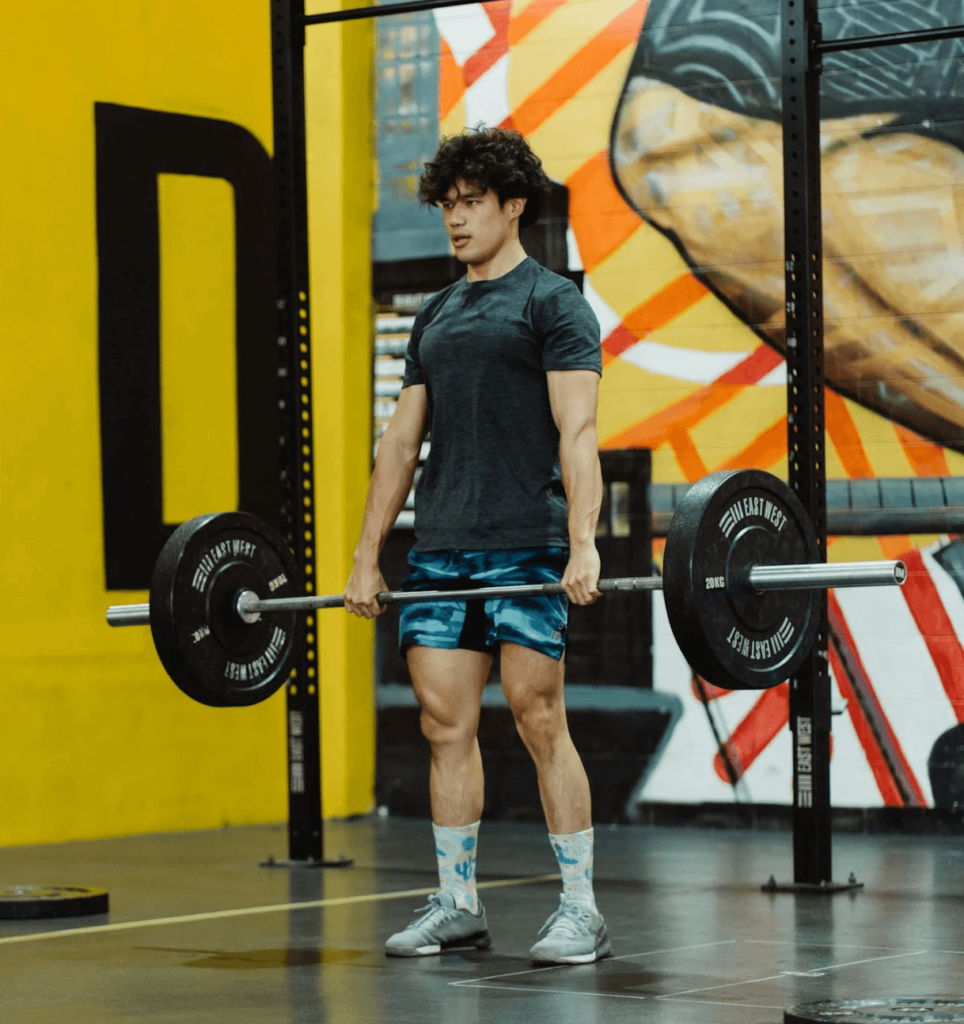
- Deadlifts:
- Set your stance, grip the bar, and inhale deeply. Engage your lats by pulling the bar toward your shins.
- As you initiate the pull, hold the breath, brace the core, and drive through the heels. Exhale at the top once you’ve locked out.
- On the descent, maintain control and re-brace before each rep to prevent lower back strain.
- Overhead Press:
- Unrack the bar and take a deep breath into the diaphragm. Squeeze your glutes to stabilize your lower body.
- Brace the core, press the bar overhead, and exhale once you’ve locked out at the top.
- Keep the ribs down and avoid overextending the lower back to maintain proper alignment.
Common Mistakes: Watch Out for These Pitfalls
Even with the best intentions, improper bracing and breathing can sabotage your lifts. Here’s what to avoid:
- Breathing Too Early:
- Inhaling during the lift instead of before it can destabilize your core and lead to energy leaks. Always breathe in and brace before initiating the lift.
- Holding Your Breath Too Long:
- Holding your breath for an extended period can lead to dizziness or a drop in blood pressure. Time your exhale strategically—at the top of the lift or during the concentric phase.
- Losing Core Tension:
- Letting the brace go mid-lift can collapse your spine and increase injury risk. Stay tight from start to finish. Practice with lighter weights until maintaining tension becomes second nature.
Practice with Bodyweight First
Bracing and breathing are the unsung heroes of lifting. Before loading up the bar, practice these techniques with bodyweight movements like planks, squats, and dead hangs to reinforce proper mechanics. Once you’ve mastered the basics, gradually increase the load, focusing on maintaining core tension and controlled breathing. Nail these fundamentals, and you’ll lift heavier, safer, and with more confidence.